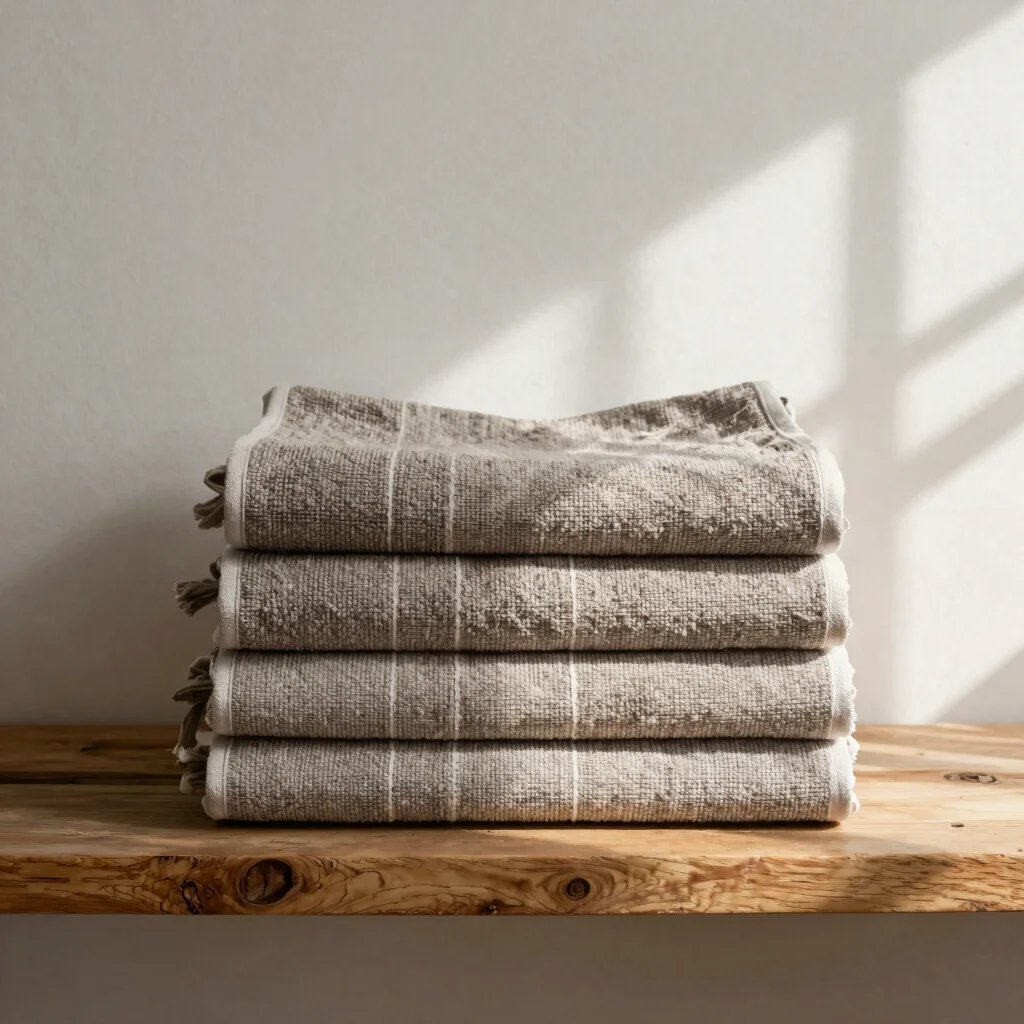
Flax linen towels possess an exceptional reputation for breathability and moisture absorption, yet many homes struggle with fabrics that feel coarse after routine laundering. The secret to supple linen lies in understanding how natural cellulose fibers respond to heat, minerals, and mechanical agitation. With a few deliberate adjustments to your laundry cycle, linen pieces soften gracefully while maintaining their structural strength.
Water Temperature and Fiber Preservation
Hot wash water causes flax yarns to tighten and snap prematurely, leading to lint shed and thin spots across the weave. Running wash cycles on warm or cool preserves the integrity of individual fibers while delivering thorough cleaning for household textiles. Adequate water volume is equally essential, as linen requires space to move freely and flush away dissolved soil during the rinse cycle.
Avoiding Chemical Build Up and Stiffness
A crucial Watch out for any natural textile routine is the use of synthetic fabric softeners, which coat natural linen fibers with silicone residues that destroy absorbency. Instead, wool dryer balls provide natural mechanical softening in the dryer without depositing hydrophobic films. When drying linen, remove pieces while slightly damp and finish with gentle air drying to prevent brittle creasing.
Building Lasting Household Habits
Simple care adjustments eliminate the need for costly replacements and keep everyday textiles functioning at their best for years. Monitoring your linen rotation and noting fabric changes over time ensures your home routine stays dependable and low-stress.